Geometry through manipulative resources
Hello everyone!
Today I bring you some manipulative resources that could be a big help for your students to learn geometry. As we know, learning is the best obtained when it supposes that the learner has to do something. Therefore, the implementation of resources that require activity and manipulation, basically that requires students to do something rather than just listening or watching, are key for our teachers to guarantee comprehension, engagement and significant learning in our geometry classes. We must remember that geometry is related to the space they are in, so it would not make sense to teach these types of concepts merely in abstract ways that students do not really understand like that.
Here you have some examples and images of these type os resources and possible uses in geometry lessons:
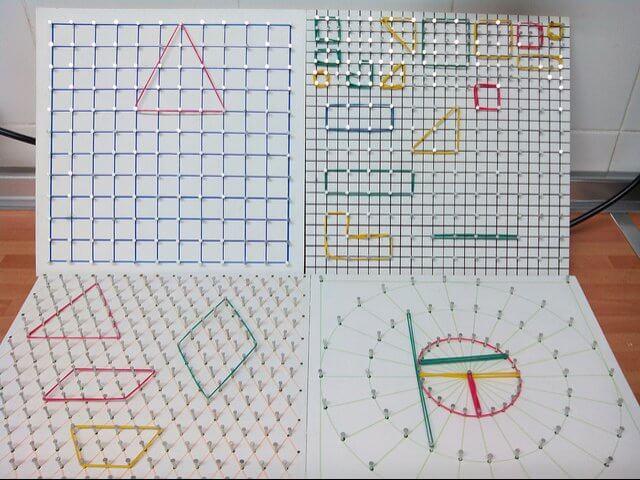
- Geoboard: it consists of a square board with nails forming a squared pattern so that colour elastic bands could be put. It is something that it is easy for students to interact with. Through it, not only polygons can be represented, overlapped, categorized and its different elements interpreted, but also angles, movements in the plane, turns, symmetries, points and lines. In addition, perimeters and areas can be easily defined as the squared pattern determines the distance between nail and nail as 1 unit as a general rule. This way, everything is so visual that students can easily understand the different concepts as they are applied to reality. Also, it allows a clear comparison between different elements and figures, even overlap them, to deduce their similarities and differences to completely understand them and their characteristics. It could be handmade too, so that the development of motor skills and coordination is taken a step further.


- Tangram: it is a Chinese game formed by seven geometrical figures (two big triangles, one regular triangle, two small triangles, one square and one rhomboid. All of them are related to other some way or another (for example, the big rectangle has the double of area a regular one has). The thing about this game is that you have to use all the pieces without putting one above another to form different forms. This game is great for working geometry with students, as a great amount of contents can be applied in it. The pieces, being polygons, can be classified and their elements identified; also, elements such as lines, parallelism, perpendicularity and angles are present all the time; symmetries can be found, too; and lastly, calculations of perimeter and area can be done for both and individual piece and a form made by several ones. Students themselves can create their own tangram to be used for geometry lessons, making them interested in this game from the very beginning, although in itself the possibilities this game offer are already enough to make children want to take part.


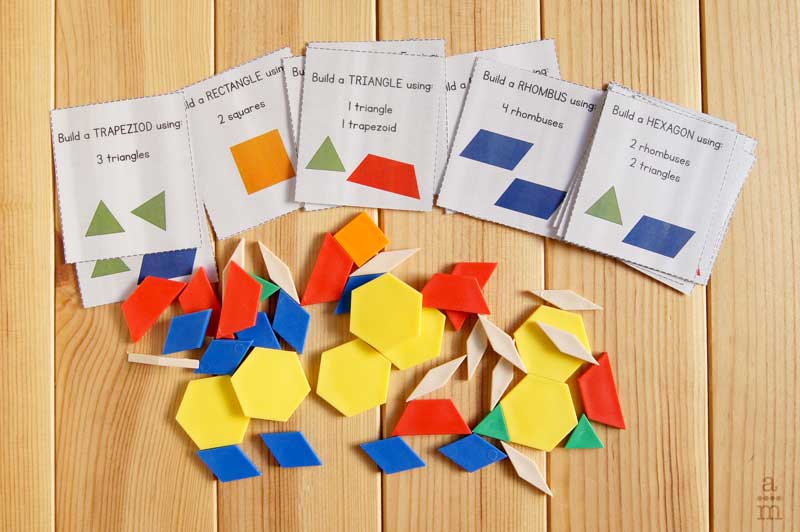
- Geometrical blocks: as an alternative to tangram, these can be used. It consists on several pieces divided in six types, equilateral triangles, squares, hexagons, trapezes and two types of rhombuses, of a different color each. Students then can use as many as they want of them to create the figure they want, either a bigger polygon or whatever creation they decide. Therefore, as we can infer, students will be able to work geometrical contents in the same way as in the tangram. Although the pieces, quantity and possible organizations are different, the fundaments are the same, being equally helpful in geometrical learning in young people through the manipulation of pieces to form and observe in the process of acquisition of knowledge. Maybe the plus in this activity is that more diversity is possible, as there are more pieces so a more expense variety of forms and geometrical contents can be worked on through them.


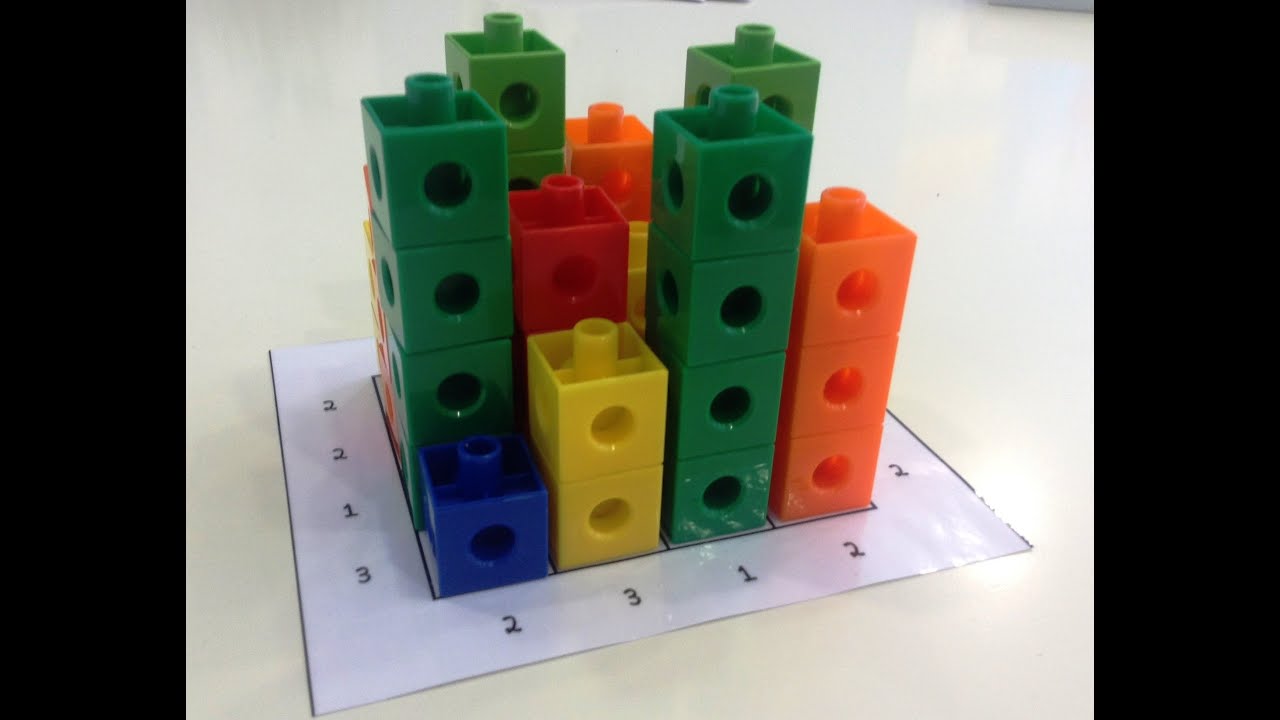
- Policubes: a game that consists in interlocking cubes of ten different colors that are used to build different forms. The relevant thing about them is that not only two dimensional figures can be represented, but three dimensional forms too. Like that, in addition to the contents that have been explained I the previous resources, students can work of the categories and elements of geometrical bodies and their relationship with the two dimensional world. For example, by having the three dimensional figure they can represent it in a two dimensional way from a concrete perspective, and vice versa. Like that, the spatial and geometrical visualization is developed, providing a much more easier comprehension of the geometrical world in young learners.


That was all for today! I'm sure including any of these will make geometry class much more easy and fun. See you in the next post!
References:


Comentarios
Publicar un comentario