Geometry with photography
Hello everyone!
Today I will talk about a really interesting way of working geometry with students: photography. Just as we mentioned before, our students are as years pass by more and more digital natives, meaning that their lives are deeply influenced by new technologies. For that reason, it is only reasonable that we include them as tools for making geometry something children understand, recognize and apply in various situations of their lives. Having that in mind, I cannot forget to mention the mathematical photography contests that were celebrated in my educational centers where I was a student.
Basically, the whole idea of these were to capture an image of the real world in which any mathematical element could be seen. The possibilities were infinite: you could focus on geometrical figures/bodies, symmetries, figures's movements, mosaics, perspectives... That was up to you, you would have to pay attention to the things around you and recognize the different geometrical elements that could be represented in them.
From the educational aspect, photography is a great resource to work on the different contents that have been seen in the subject of Maths. However, the main point is that mathematical photography is based on applying those contents and connecting them to real life with a good attitude. As teachers, we need to promote an active learning, in which students build their knowledge through experiencing and doing, so the idea of making them go out to explore and find relations between what they learnt in class and the actual reality outside of it.
In addition, those photographs can also be used as tools to work on geometry in lessons in various ways. For example, those photos can be used to discuss as a group the different geometrical and mathematical contents that can be applied to them. Like this, dialogue, argumentation and respectful communication can be developed in the Primary Education students in a practical, interactive way. Another example would be that the photos are printed out and the students have to mark in different colors geometrical elements that can be appreciated, such as circling in different colors the different geometrical shapes that can be seen. This can be a very interesting way of proposing manipulative activities that help students to assimilate and comprehend the geometrical reality around them, and I feel it would be enjoyed by students as it would simulate a searching game.
Lastly, I have to mention its nature as a way of promoting a transversal learning. As we know, reality is divided in many different areas: architecture, art, history, nature... By photographing reality, inevitably they will encounter elements that are related to more that just geometry, but that can be taken advantage of by teachers to establish connections and provide knowledge of different types. The thing is that, by applying it to lessons, not only they will learn geometry but many more things and, especially, to understand and validate that geometry is present in every aspect that conforms our lives.
Here you have some examples of mathematical photos:


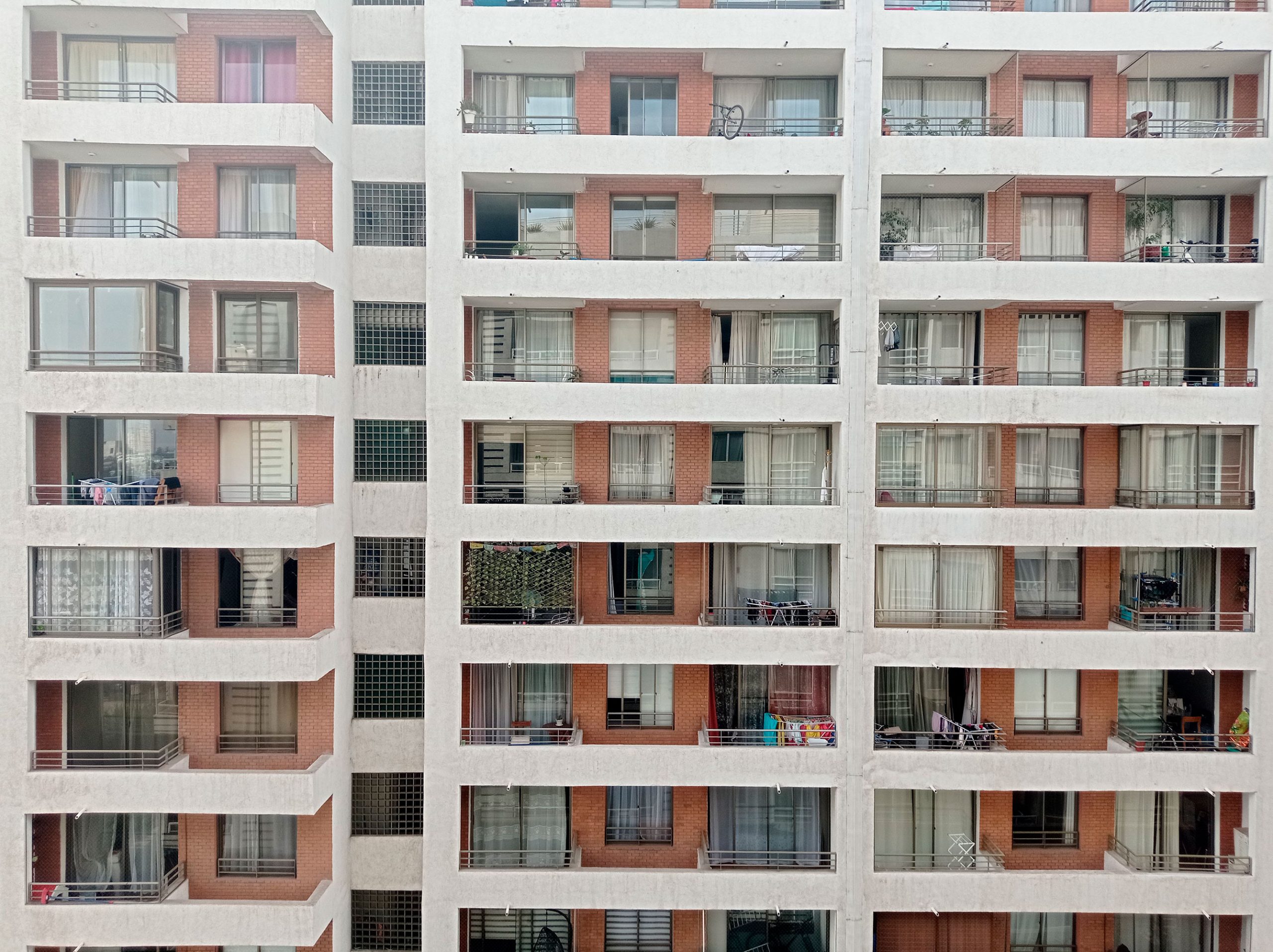
That was all for today. I really liked that I could use my experience as a students to improve myself as a teacher, and I hope it was helpful for you too. See you next time!
References:
https://fotografiamatematica.cat/category/fotografies-matematiques/


Comentarios
Publicar un comentario